Blood sugar and diabetes · United States
Can I eat avocado with diabetes?
Editorial guidance · No individual clinical review
Avocado on one slice of toast and avocado blended with sweetened milk are different meals. The useful question is what comes with it and what it replaces.
Short answer
Yes, avocado can fit a type 2 diabetes or prediabetes meal plan. ADA lists avocado as a source of monounsaturated fat. Consider its portion and the whole meal: the bread, chips or sweetened drink ingredients still need to be counted.
For everyday eating with type 2 diabetes or prediabetes. If your blood sugar is low, follow your existing treatment plan immediately.
What to check before eating
- Is avocado replacing butter or being added to an already rich meal?
- How much toast, dip accompaniment or sweetened milk will you have?
Guidance sources: American Diabetes Association [1], CDC [2], FDA [3], NIH NIDDK [4]
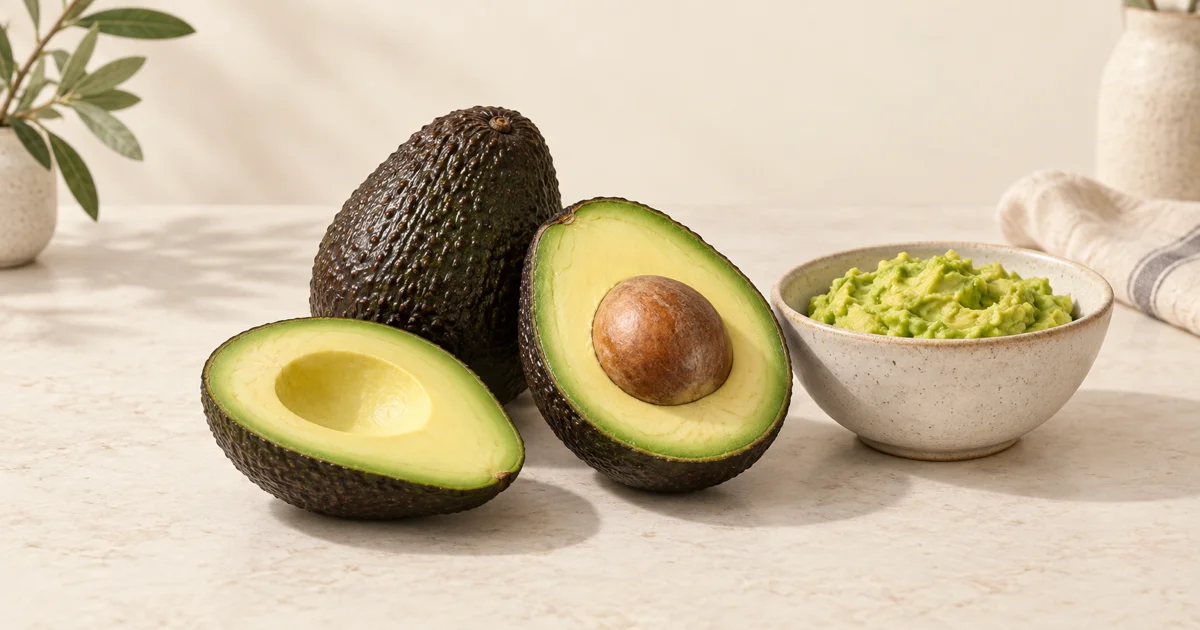
Check three common avocado meals
Avocado toast
Count the bread using its label and the number of slices. Decide how much avocado you want to use as the spread. Adding it on top of butter, cheese and several slices of bread makes a different meal from using it to replace a spread.
Guidance sources: American Diabetes Association [1], FDA [3]
Continue reading: Can I eat bread with diabetes?
Guacamole and chips
Put the dip and chips into separate portions before eating. Check the chip label for carbohydrate and sodium. A large shared bag makes it harder to know what you actually ate.
Avocado smoothie
Ask about condensed milk, syrup, juice and the milk used. Write down the recipe if you make it at home. The name “avocado smoothie” alone is not enough to estimate carbohydrate.
More about this food
Should I eat an avocado every day to lower blood sugar?
The cited meal-planning guidance does not prescribe a daily avocado dose for lowering glucose. Choose the amount with your overall eating plan, preferences and energy needs in mind. Keep your established treatment plan.
Guidance sources: American Diabetes Association [1], NIH NIDDK [4]
Who this guidance is for and further context
Daily meal planning has individual limits
These are daily food guides for type 2 diabetes or prediabetes. Type 1 diabetes, pregnancy, kidney disease and insulin use may require a different plan. They do not set a carbohydrate target or medicine dose for you.
Guidance sources: NIH NIDDK [4]
Low blood sugar is a different situation
If your blood sugar is low, follow your prescribed low-glucose treatment plan immediately. Advice to limit juice or added sugar at everyday meals must not delay treatment. See the CDC treatment guidance below.
Guidance sources: CDC [5]
Background and other choices
What matters for avocado
- Healthy fats still supply energy.
- Avocado does not cancel the carbohydrate in bread or chips.
Practical next steps
- Use a measured amount as a spread and review the bread portion.
- Serve guacamole with vegetables when that fits your meal plan.
What Can I Eat can and cannot confirm
Can I Eat can help review food and label details. A photo cannot measure your blood glucose or determine an insulin dose. Confirm the portion and ingredients before using a food estimate.
When to speak with your clinician
Ask your care team about carbohydrate targets, repeated high or low readings, and meal timing with medicines. Do not skip meals or change diabetes medicines based on these food guides.
This food, other health questions
These guides cover different health concerns; their advice is not interchangeable.
avocado · All foods →Sources and editorial context
Can I Eat editors check these guides against public guidance from the cited health organizations. Sources support specific food statements, not an endorsement of this website. Food choices are considered alongside clinical care; no individual clinician review of these pages is claimed.
Can I Eat Editorial Team. Published for readers in United States. Content last updated 2026-09-24.
Check your next meal
What’s on your plate?
Scan a label or describe your meal in Can I Eat to explore reminders related to your dietary concerns.
General food information, not a diagnosis, glucose prediction or medication plan. Individual advice takes priority.